All About Blue Jays: Beautiful Birds You Can Spot in Your Backyard
Have you ever looked out your window and seen a flash of bright blue? That was likely a Blue Jays! These birds are very famous for their pretty colors and loud calls. They live in many places across North America. Watching them is a great way to enjoy nature right from your own home. Let’s learn all about what makes these birds so special and why they are such a fun part of our world.
What Do Blue Jays Look Like?
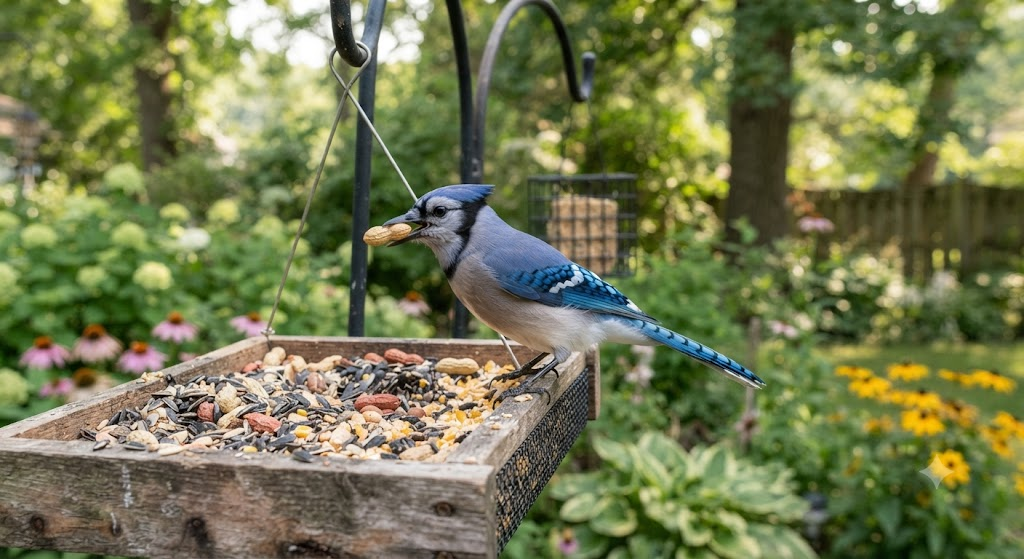
The blue jay is very easy to spot. They have bright blue, white, and black feathers. A cool feature is the crest on their head. It looks like a little blue mohawk! When they are excited or scared, they can raise or lower this crest. They also have a black collar around their neck. Both the males and females look almost the same. Their beauty is one reason why so many people love to watch them.
Where Do They Like to Live?
You can find these birds in many different places. They love forests, but they also feel at home in parks and neighborhoods. They build their nests high up in trees. Because they are smart, they adapt well to human spaces. If you have big trees in your yard, you might have some living nearby. They usually stay in the same area all year long. This makes it easy to keep an eye on them during every season.
What Does a Blue Jay Sound Like?
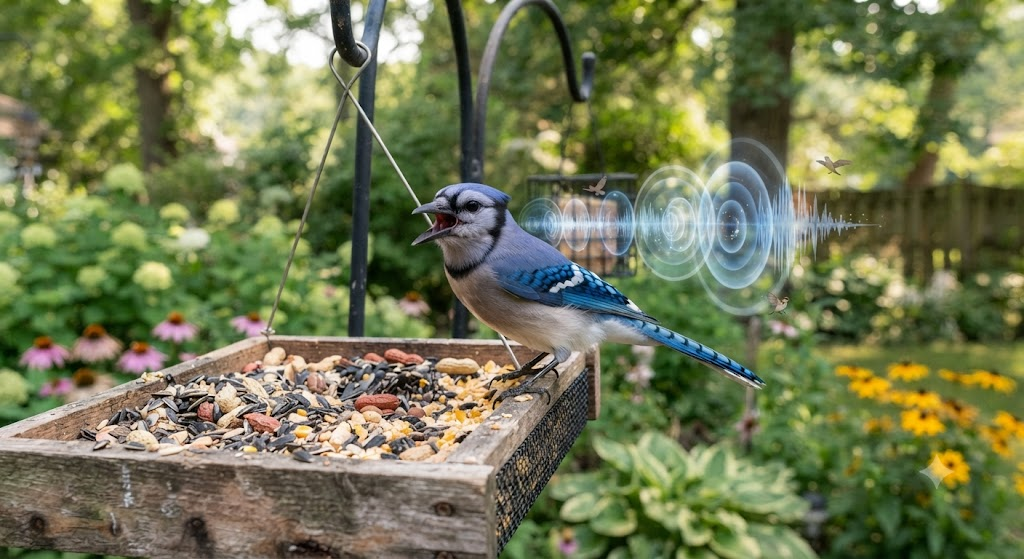
Blue jays are not quiet birds! They make many different sounds to talk to each other. Sometimes they scream to warn others about danger. They can even copy the sounds of hawks. This trick helps them scare other birds away from food. It is funny to hear them, but it also shows how smart they are. Their loud nature is a big part of their personality. You will usually hear them before you see them.
Their Favorite Foods
If you want to feed birds, you should know what they like. Blue jays love nuts, especially acorns and peanuts. They also eat seeds, berries, and sometimes small insects. They are very clever at hiding food for later. This is called caching. They bury nuts in the ground to eat when it gets cold outside. They have a very healthy appetite and will visit your feeder often if you offer them tasty snacks.
Why Are They So Smart?
These birds are some of the smartest creatures in the sky. They can solve simple puzzles to get food. They also have a complex social life. They recognize other birds and can remember where they hid their snacks. This intelligence helps them survive in the wild. Scientists have studied them for a long time because they are so clever. Seeing them learn and grow is a very fun experience for bird watchers.
How to Attract Them to Your Yard
Want to see more blue jays at your house? It is quite simple to invite them over. Put out a bird feeder with peanuts in the shell. They also love water, so a birdbath is a great idea. Keep your yard clean and provide trees for them to rest. If you are patient, they will start to visit every day. Once they find a good food source, they will keep coming back for more.
The Role of the Crest
That blue crest on their head is more than just a decoration. It acts like a mood ring! When a blue jay feels calm, the crest stays flat. If they are angry or feel a threat, they stick it straight up. It is like they are telling other birds how they feel. Learning to read these signals helps you understand what the bird is thinking. It is a neat way to connect with them.
Migration Habits
Many people ask if these birds fly south for the winter. The answer is a bit tricky! Some stay in the same spot all year. Others might move a little bit to find more food. They are not like some birds that fly thousands of miles. They prefer to stay near their home base as long as they have food. This makes them a reliable friend to watch throughout the chilly winter months.
Nesting and Family Life
When it is time to have babies, they work together. Both the mom and dad help build the nest. They use twigs, grass, and mud to make a strong home. The female lays several eggs, and they keep them safe until they hatch. Watching the babies grow is a special treat. They are very protective parents. They will chase away anything that gets too close to their little ones.
Fun Facts About These Birds
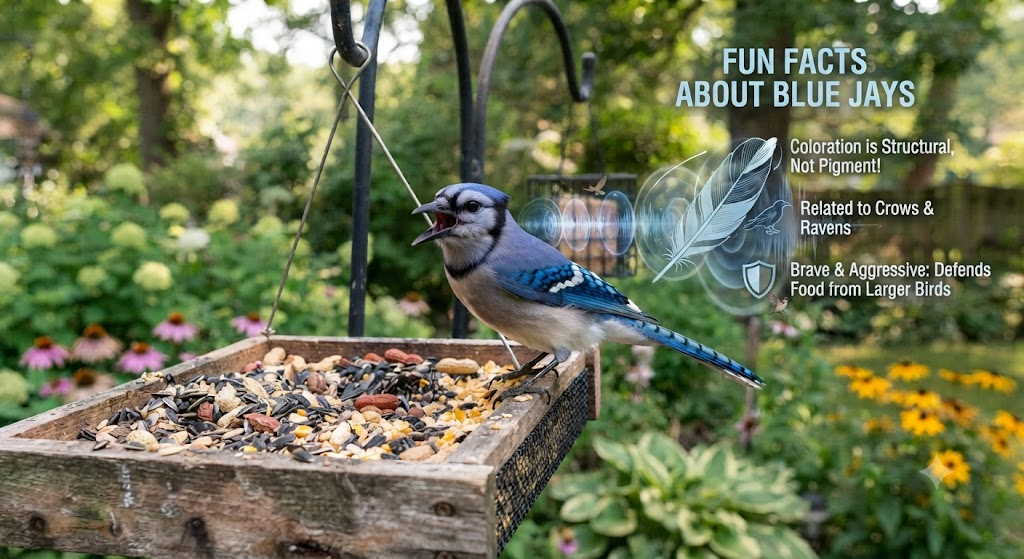
Did you know that blue jays are part of the crow family? That explains why they are so smart! They are also very brave. They will stand up to much bigger birds to defend their food. Also, their blue color does not come from dye. It comes from the way light hits their feathers. It is like a magic trick of nature. There is always something new to learn about these amazing backyard visitors.
Comparison Table: Blue Jays at a Glance
| Feature | Description |
| Main Color | Bright Blue, White, and Black |
| Diet | Nuts, Seeds, Berries, and Insects |
| Favorite Snack | Peanuts in the shell |
| Behavior | Loud, Smart, and Protective |
| Special Trait | Movable crest on their head |
| Home | Nests in trees (Forests/Backyards) |
Frequently Asked Questions
1. Are blue jays friendly to other birds?
They can be a bit bossy at feeders, but they are very loyal to their own family and group.
2. Do they eat garden pests?
Yes! They eat many different insects, which helps keep your garden healthy and happy.
3. Why do they scream so much?
They use loud calls to warn others about predators like cats or hawks lurking nearby.
4. Can I keep a blue jay as a pet?
No, it is illegal to keep wild birds as pets. It is much better to watch them in nature.
5. How long do they live?
In the wild, they usually live about 5 to 7 years, though some live even longer.
6. Do they mate for life?
Yes, they often stay with the same partner for many years to raise their families.
Conclusion
The blue jay is truly a gift to our backyards. From their bright colors to their clever habits, they bring so much life to our day. Now that you know how to attract them, why not put out some peanuts today? You will have a front-row seat to their amazing daily lives. Have you spotted a blue jay lately? Tell me about your favorite bird-watching moment in the comments below!